What to Expect During Your Visit: Understanding Common Dental Procedures
Grasping common dental procedures can greatly reduce anxiety for dental patients. Many individuals remain unsure about what occurs during their visits. From routine cleanings to more complex treatments, each step serves a vital purpose in supporting overall oral wellness. Being informed about each procedure can foster confidence and address common fears. But what exactly happens during these dental treatments, and how can one get ready for them? The answers may provide the confidence needed for a smoother visit.
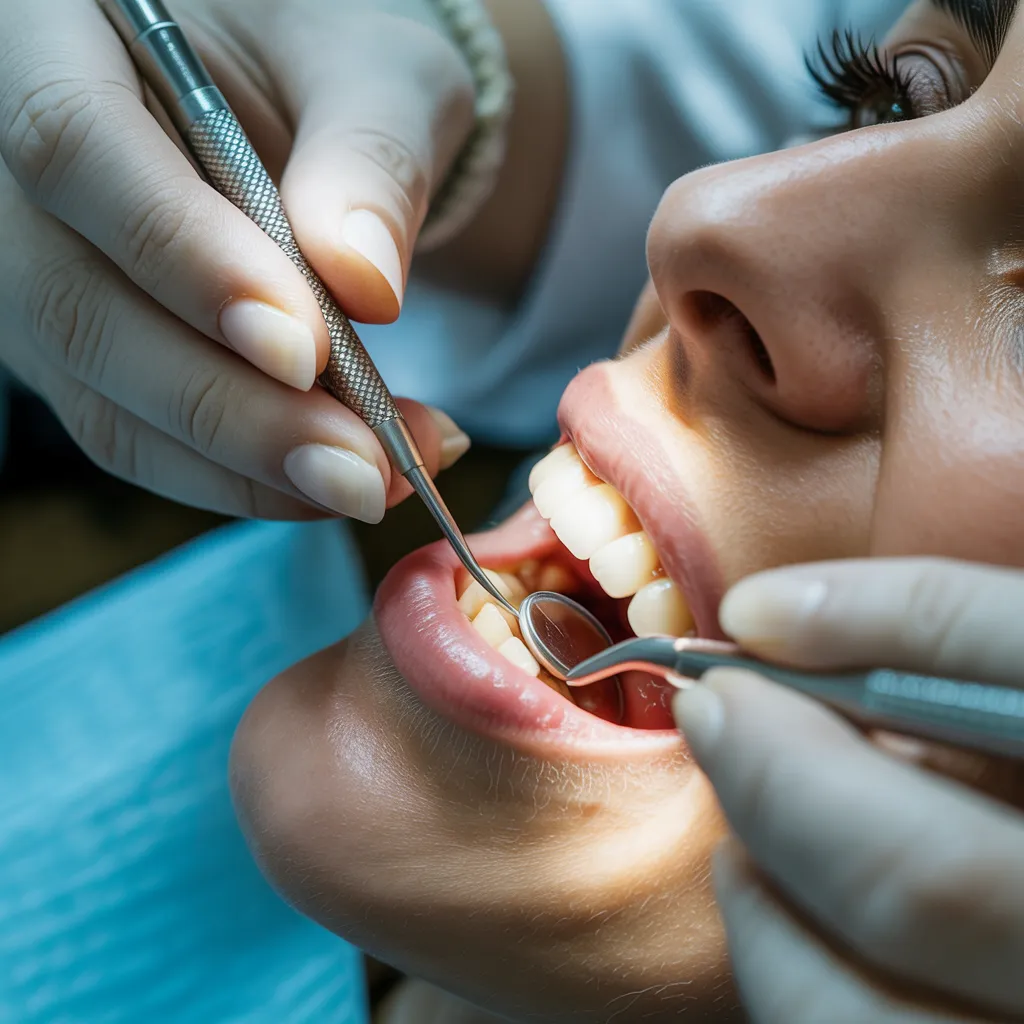
Understanding the Root Canal Process: What You Can Expect
What happens during a root canal procedure? The treatment commonly begins with the dentist using local anesthesia to numb the targeted area. When the patient is sufficiently numb, the dentist makes an opening in the tooth to gain access to the pulp chamber. The inflamed or infected pulp is then carefully removed using specialized instruments. Following the cleaning and reshaping of the root canals, the dentist sanitizes the area to remove bacteria.
Next, the root canals are packed with a biocompatible material called gutta-percha to secure them and eliminate the risk of reinfection. The access point is provisionally sealed, and the patient may be advised to schedule a follow-up appointment for a crown or definitive restoration to rebuild the tooth's integrity and functionality. During the entire process, the dentist takes care that the patient remains comfortable, responding to any questions or worries that emerge. At important information its core, the aim is to alleviate pain and preserve the natural tooth.
What to Expect When Preparing for Tooth Extractions
Planning for a tooth extraction entails several important considerations to ensure a seamless treatment and recuperation. First, patients should schedule a consultation with their dental professional to review their medical background, current medications, and known allergies. This information helps determine the appropriate anesthesia and potential complications.
Patients are often advised to abstain from consuming food or beverages for multiple hours before the extraction, especially if sedation is planned. In addition, organizing a ride home post-extraction is essential, as sedation may affect one's ability to drive safely.
Patients are advised to plan for a healing period, reserving time to recuperate and comply with post-operative care instructions. This might involve managing pain with recommended medications and observing dietary restrictions, such as sticking to soft foods.
Understanding Fillings: When and Why They're Needed
Dental fillings are essential for restoring teeth that have been damaged by cavities, decay, or trauma, as they support oral health and protect against further complications. Once a dentist detects a cavity, the damaged portion of the tooth is extracted, and the resulting space is filled with an appropriate material. Popular filling materials, including amalgam, composite resin, and gold, each deliver unique benefits when it comes to durability and visual appeal.
Dental fillings are essential not only for relieving discomfort caused by decay but also for stopping bacteria from penetrating the tooth, potentially leading to more critical problems including infections or tooth loss. Regular dental check-ups can help identify the need for fillings early, ensuring timely intervention. Patients may experience some sensitivity post-procedure, but this typically subsides within a few days. Understanding the purpose and process of fillings can ease anxiety and promote proactive dental care.
What to Expect During a Routine Dental Cleaning?
While many individuals may feel apprehensive about their upcoming appointment, having a regular dental cleaning can be an uncomplicated and valuable procedure. Upon arrival, patients typically complete a health questionnaire and may discuss any concerns with the dental hygienist. The cleaning process generally commences with a detailed inspection of the teeth and gum tissue.
Next, the oral hygiene specialist uses specialized tools to get rid of plaque and tartar buildup from the tooth surfaces. This scaling procedure is typically accompanied by a light polishing with a gritty toothpaste, leaving teeth feeling smooth and clean. Patients will also be provided with flossing and education about correct dental hygiene practices to preserve their oral health between visits.
In the final step, the dentist will complete a concise examination, providing advice and recommendations for future care. In general, scheduled dental cleanings not only boost oral health but also significantly contribute to long-term oral health.
Why Dental X-Rays Are Essential to Your Oral Health
Dental X-rays play an essential role in preserving oral health by revealing hidden issues that are often not detectable during a routine examination. They enable dental professionals to observe a patient's dental condition over time and plan future treatments effectively. Appreciating the value of these imaging methods is fundamental to achieving excellent dental care.
Discovering Underlying Issues
When patients visit their dentist for routine check-ups, the importance of dental X-rays often becomes apparent, as these scans uncover concealed problems that cannot be detected through a basic visual inspection. Dental X-rays serve as essential instruments for identifying cavities hidden between teeth, monitoring overall bone density, and uncovering infections within tooth roots. Such scans are also capable of exposing concerns like impacted wisdom teeth or structural jaw irregularities. By providing a clearer view of the mouth's internal structures, X-rays enable dental professionals to develop targeted care strategies tailored to individual needs. Without access to these critical imaging tools, many oral health problems could go undetected, causing considerably more serious problems down the line. Consistent X-ray screenings are fundamental for sustaining excellent long-term dental health and preventing future issues.
Overseeing Dental Health
Standard dental checkups frequently include X-rays as a fundamental aspect of tracking dental health. These radiographic methods help oral health specialists to discover problems that cannot be seen during a routine checkup, including cavities, bone loss, and abnormalities in tooth roots. By providing a thorough view of the mouth, X-rays facilitate early diagnosis and intervention, which helps avoid more complex problems. They additionally assist in assessing the effectiveness of ongoing treatments and making certain that shifts in dental health receive immediate attention. Regular X-ray evaluations contribute to a forward-thinking method of sustaining dental wellbeing, making certain that patients get targeted care aligned with their particular conditions. Overall, X-rays are essential tools for safeguarding long-term oral health.
Organizing Future Treatments
Comprehensive knowledge of oral health depends greatly on the data offered by dental X-rays. These images serve as a vital tool for dentists in planning future treatments. By exposing problems that are often invisible during a conventional examination, X-rays can identify cavities, bone loss, and other dental conditions early. This information enables practitioners to devise tailored treatment plans, ensuring timely interventions that can prevent more severe complications. Additionally, X-rays help in monitoring the effectiveness of ongoing treatments and adapting strategies as necessary. Overall, including dental X-rays as part of routine visits not only elevates the standard of patient care but also fosters long-term oral wellness by allowing early intervention on potential problems.
Tips to Ease Dental Anxiety Before Your Visit
How can patients effectively manage their dental anxiety before an appointment? A helpful approach is to book appointments during quieter periods to reduce stress. Engaging in relaxation techniques, such as deep breathing or visualization, can also help calm nerves. Patients may consider bringing a support person to provide comfort and distraction.
Additionally, getting accustomed to the dental office environment can alleviate anxiety. Numerous patients find it advantageous to discuss concerns with the dentist prior to the appointment, enabling a clearer understanding of the procedures involved. Playing music or audio content during the appointment can function as a effective means of diverting attention.
As a final strategy, establishing a signaling system with the dentist for pauses can foster a sense of empowerment. As a whole, these methods empower patients to overcome their apprehension, rendering dental sessions more manageable and less intimidating.
Common Questions and Answers
How Frequently Should I See the Dentist for Routine Check-Ups?
Most dental professionals recommend visiting the dentist for check-ups twice a year. That said, people with particular dental concerns or elevated risk factors could benefit from more regular check-ups to preserve optimal oral health and avoid potential complications.
What Can I Do to Maintain Oral Hygiene at Home?
To keep up with oral hygiene at home, individuals should brush twice daily with fluoride toothpaste, floss regularly, rinse with an antibacterial mouthwash, reduce the intake of sugary foods, and schedule routine dental check-ups for professional advice and treatment.
Are Dental Treatments Painful, and How Is Pain Controlled?
Dental procedures can cause discomfort, but pain management techniques, such as sedation and local anesthesia, are commonly employed. Dentists examine each patient's needs to guarantee a more comfortable experience during procedures, effectively reducing potential discomfort.
What Should I Consume or Avoid After Dental Treatments?
Post dental treatments, it is recommended to choose easy-to-eat foods like yogurt and applesauce while avoiding hard, crunchy, or spicy items. Staying hydrated with water is essential, and heated liquids must be refrained from to avoid irritation.
How Can I Find a Good Dentist in My Area?
To find a good dentist, people can ask for referrals from friends or family members, read online reviews, and review regional dental directories. Setting up consultations can additionally assist in gauging rapport and ease with possible dental practitioners.